Ontario Road Signs and What They Mean
Last updated:
Half of the G1 knowledge test is about road signs, and you'll pass hundreds of them on every drive. This page shows the signs Ontario drivers need to know, grouped by type, with a short explanation of each.
Quiz yourself while you drive In Ontario Roadie's free roam mode the game stops now and then to ask about a sign you just passed.
Play freeRead a sign by its shape and colour
Ontario signs follow a pattern. Once you know it, you can usually tell what kind of sign you're looking at from far away, before you can read it. This also helps on the test when a question shows a sign you don't recognise.
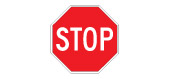
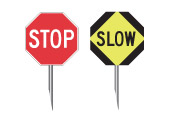
- Red octagon: stop. The eight-sided shape is used only for stop signs.
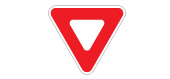
- Red-and-white triangle pointing down: yield. Let other traffic go first, and stop if you need to.
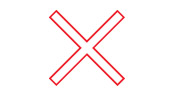
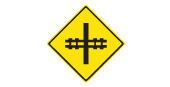
- Crossbuck (white X with a red border): railway crossing. Slow down, look both ways and be ready to stop.
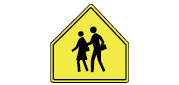
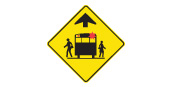
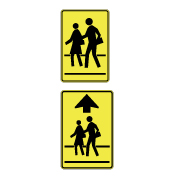
- Five-sided, like a house: school zone or school crossing. Watch for children.
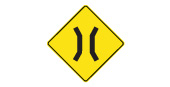
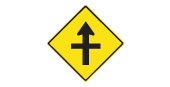
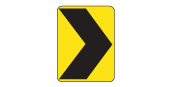
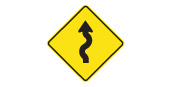
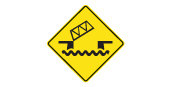
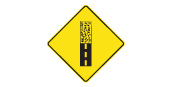
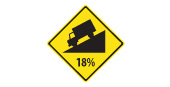
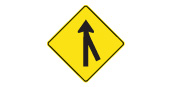
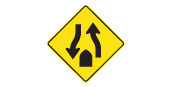
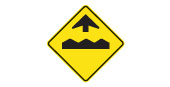
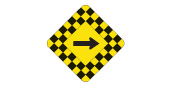
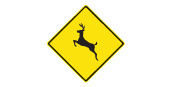
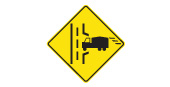
- Yellow diamond: warning. Something on the road ahead needs your attention, like a curve, a hill or an intersection.
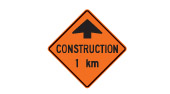
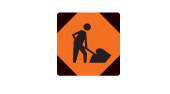
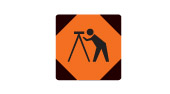
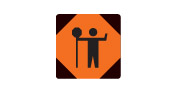
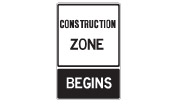
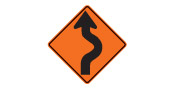
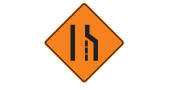
- Orange diamond or rectangle: temporary condition, like construction, road work or a detour.
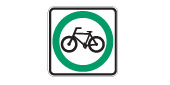
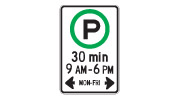
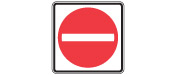
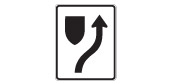
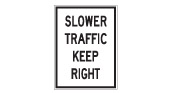
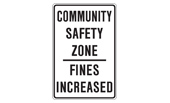
- White rectangle: a rule you must obey, such as a speed limit, a turn restriction or parking rules.
- Green rectangle: directions and distances.
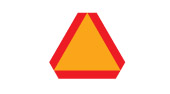
- Orange triangle with a red border on the back of a vehicle: a slow-moving vehicle that travels at 40 km/h or less.
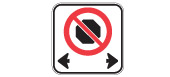
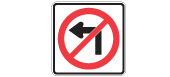
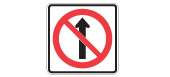
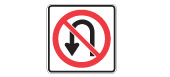
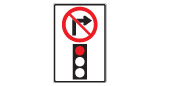
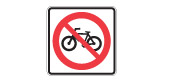
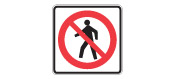
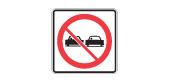
Symbols matter too. A red circle with a line through it means the action shown is not allowed, like no left turn or no U-turn. A green circle means the action is allowed.
Regulatory signs
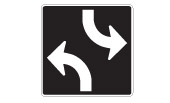
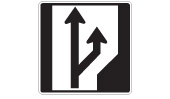
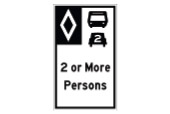
Rules you must obey, such as stop, yield, turn and parking restrictions.

Warning signs
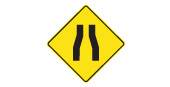
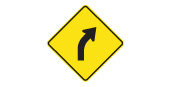
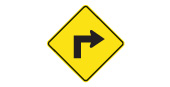
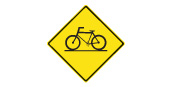
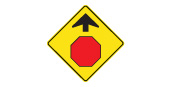
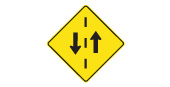
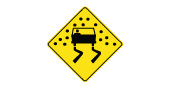
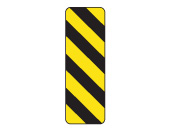
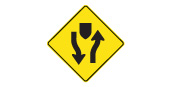
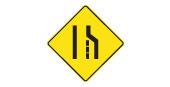
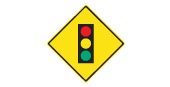
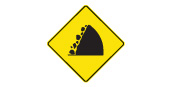
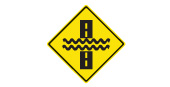
Usually yellow diamonds. They warn you about hazards and changes in the road ahead.
Temporary condition signs
Orange signs for construction, road work and detours. Fines can be higher in construction zones.
Other signs
Signs that new drivers often mix up
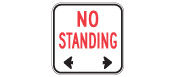
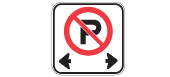
- No stopping, no standing and no parking. No stopping means don't stop at all, even for a moment. No standing lets you stop only to pick up or drop off passengers. No parking lets you stop briefly to load or unload passengers or goods.
- Stop sign and stop sign ahead. The red octagon means stop here. The yellow diamond warns that a stop sign is coming, so start slowing down. Learn more in our stop sign guide.
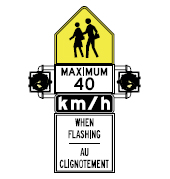
- School zone and school crossing. Both are five-sided. Inside a school zone, follow the posted limit, which is often lower when the lights are flashing. See school zone rules.
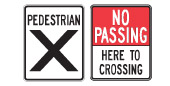
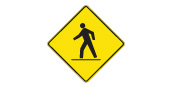
- Pedestrian crossover. You must stop and wait until people have completely crossed the road, and you may not pass another vehicle within 30 metres of a crossover.
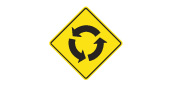
- Roundabout ahead. The arrows show that traffic goes counter-clockwise. Read how to drive a roundabout.
How to study road signs for the G1
Start with the shapes and colours above. Then work through one group at a time: regulatory signs first, because breaking them gets you a ticket, then warning signs, then temporary signs. Cover the meanings with your hand and test yourself, or let the game do it for you. When you can name most signs quickly, take a G1 practice test to check both sections.
The full set of Ontario signs, including information and highway signs, is in the signs chapter of the Official MTO Driver's Handbook.
Frequently asked questions
What do the shapes of Ontario road signs mean?
A red octagon is always a stop sign, and a red-and-white triangle pointing down is always a yield sign. Yellow diamonds warn of hazards ahead, orange diamonds mark temporary conditions such as road work, and a five-sided sign marks a school zone or school crossing. Rectangles usually give rules (white) or directions (green).
What does a red circle with a line through it mean?
On a regulatory sign, a red circle with a diagonal line means the action shown is not allowed, such as no left turn or no U-turn. A green circle means the action shown is permitted.
How many road sign questions are on the G1 test?
The road signs section of the G1 knowledge test has 20 questions, and you need at least 16 right to pass that section.
Where do the sign images on this page come from?
The images come from the Official MTO Driver's Handbook published by the Government of Ontario. Ontario Roadie is not affiliated with the Ministry of Transportation, so always check the handbook as your main study source.
Think you know your signs? Try the road sign questions in the free G1 practice set.
Start the practice test